
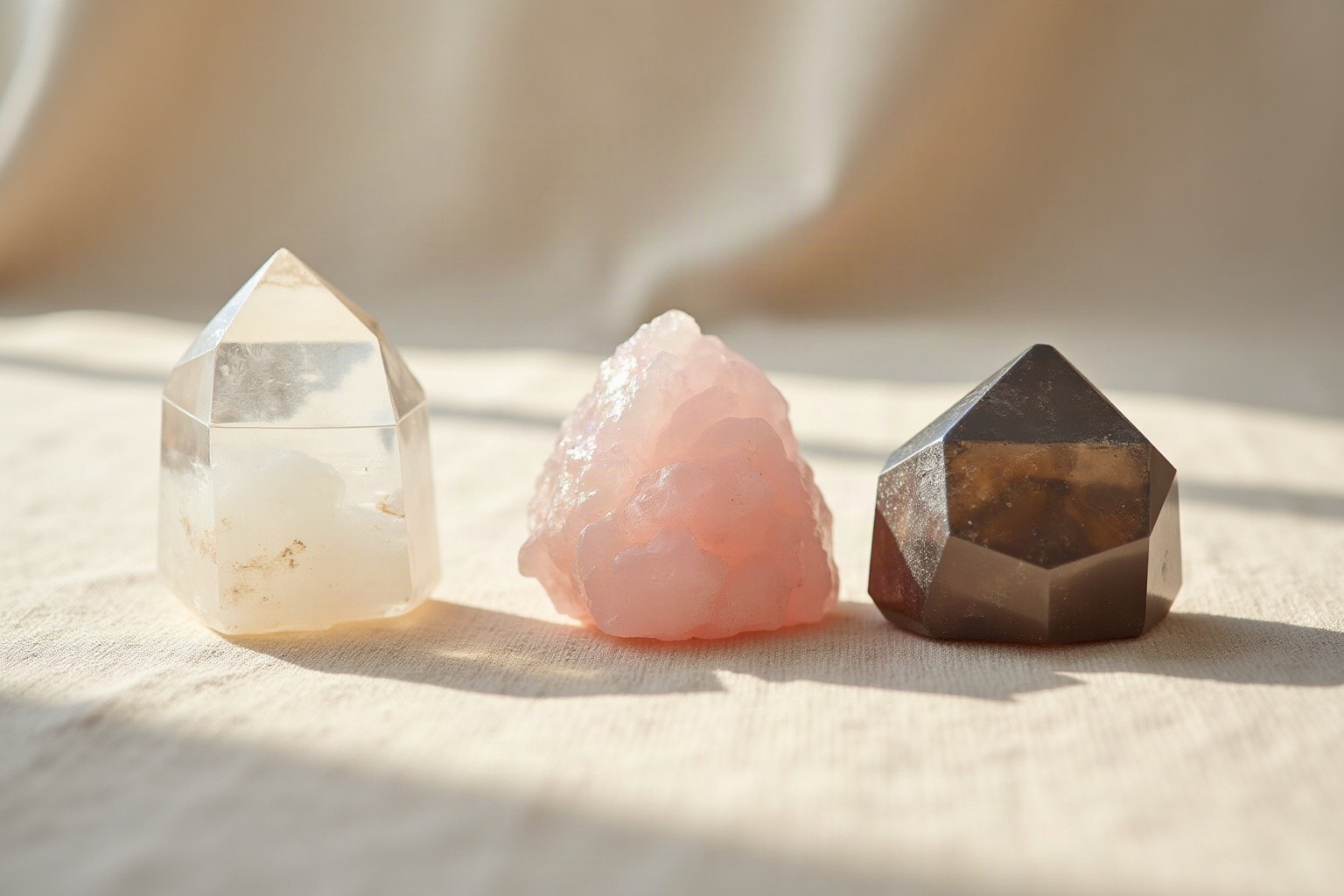
An 8 mm rose quartz bead bracelet costs 195 lira in a Turkish natural-stone shop. That is about four US dollars. The same bracelet sits at $34 on Crystals.com and $18 at Pure Energy Crystals. That gap is the reason this page exists.
If you are travelling in Turkey, buying from a Turkish seller online, or simply curious how a different market prices the same mineral, this is what quartz actually costs here in September 2026 — lira first, dollars converted at the rate on the day, and an honest note about where the bargain stops.
Quartz Prices in Turkey at a Glance
Converted at roughly 48.8 lira to the dollar, the rate quoted on 18 September 2026:
| Item | Turkish lira | Approx. USD |
|---|---|---|
| Raw quartz, small piece (each) | 23 – 51 TL | $0.50 – 1 |
| Raw quartz, selected medium piece | 170 – 280 TL | $3.50 – 6 |
| Raw quartz, shop display piece | 99 – 999 TL | $2 – 20 |
| Rose quartz, raw mass | 50 – 180 TL | $1 – 3.50 |
| Rose quartz, large raw mass | 525 TL | ~$11 |
| Bead bracelet, 8 mm | 195 TL | ~$4 |
| Certified 8 mm bracelet | 792 – 880 TL | $16 – 18 |
| Pendant necklace | 100 – 220 TL | $2 – 4.50 |
| Prayer beads (tespih), 8 mm | 245 TL | ~$5 |
| 925 silver filigree pendant | 983 – 1,770 TL | $20 – 36 |
| Handmade silver set | 4,196 – 8,838 TL | $86 – 181 |
Shop-window prices collected on 20 September 2026 from Turkish natural-stone retailers (Kolye Uçum, Taş Sandığı, Taş Sepeti, Taş Mabedi, Sümer Telkari). The lira moves quickly — treat the dollar column as indicative, not fixed.
Where the Bargain Is Real — and Where It Stops
Read the table again and you will notice the discount is not uniform. At the cheap end the difference is dramatic: a plain bead bracelet runs four to nine times less than a Western crystal shop charges. At the certified end it very nearly disappears — a certified 8 mm strand at $16 to $18 is the same money you would pay at Pure Energy Crystals.
The reason is that what you are buying at the cheap end is mostly labour and retail margin, and those are what Turkey prices differently. The stone itself is largely imported — Brazil supplies most rose quartz rough, with Madagascar a major source since the 1990s — and imported material costs roughly what it costs anywhere. So the further a piece moves from raw stone toward certified, hallmarked, hand-finished work, the more the Turkish price converges on the international one.
Put plainly: come here for tumbled stones, bead strands and raw specimens. Do not expect a bargain on a certified silver set.
Raw Quartz
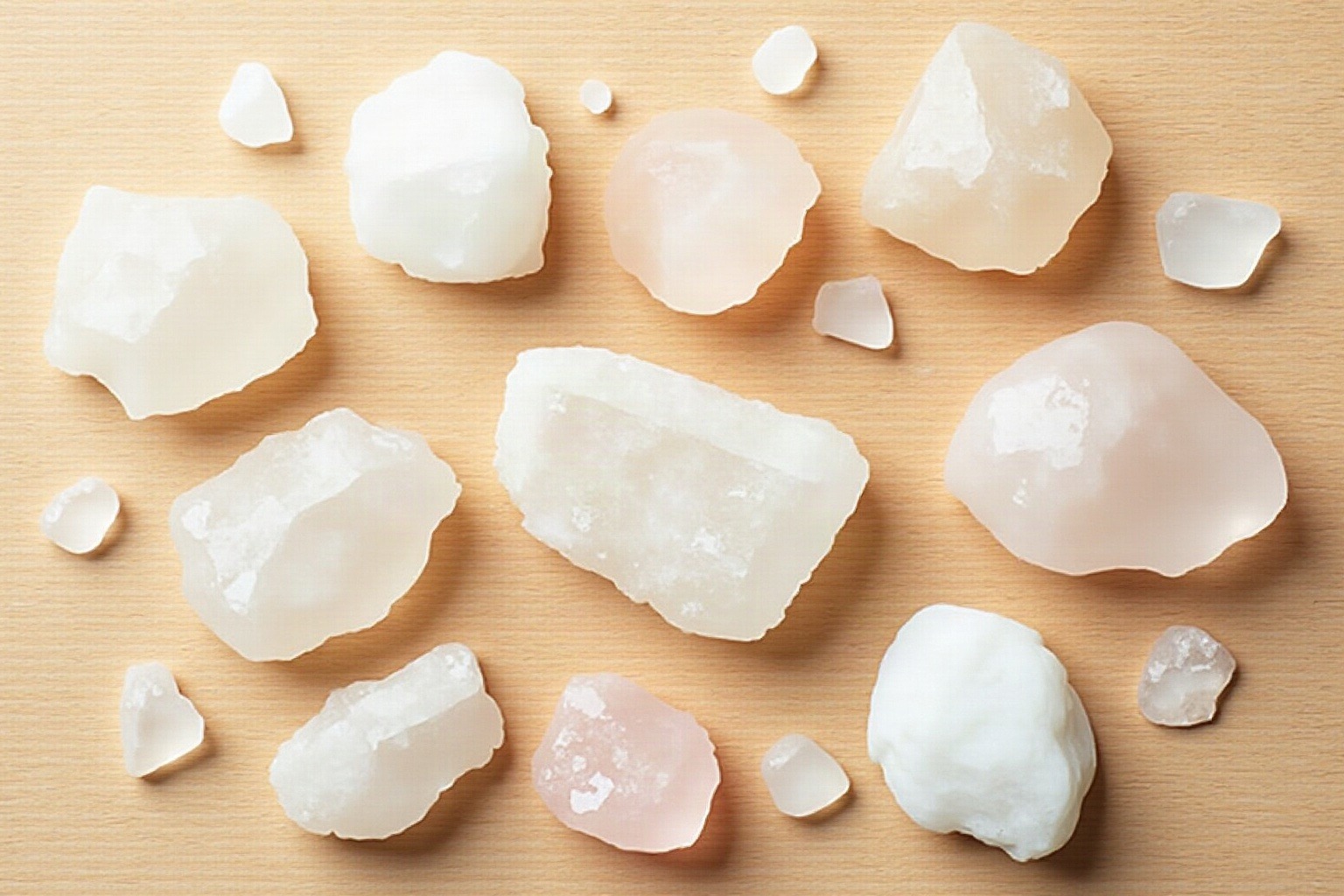
The single most useful thing to know before you walk into a Turkish shop: quartz is sold by the piece here, not by the gram. Ask for a price per kilo and you will get a wholesale figure of 250 to 300 lira ($5 to $6) that describes rough, mixed-size material and tells you nothing about the clear single crystal in the window.
Small pieces of two to three and a half centimetres go for 23 to 51 lira. Selected pieces — clearer, better-formed — are 170 to 280 lira. Display specimens run from 99 lira up to 999. A wholesale half-kilogram lot is around 359 lira, about $7.50, which is the closest thing to a bulk bargain you will find.
Rose Quartz
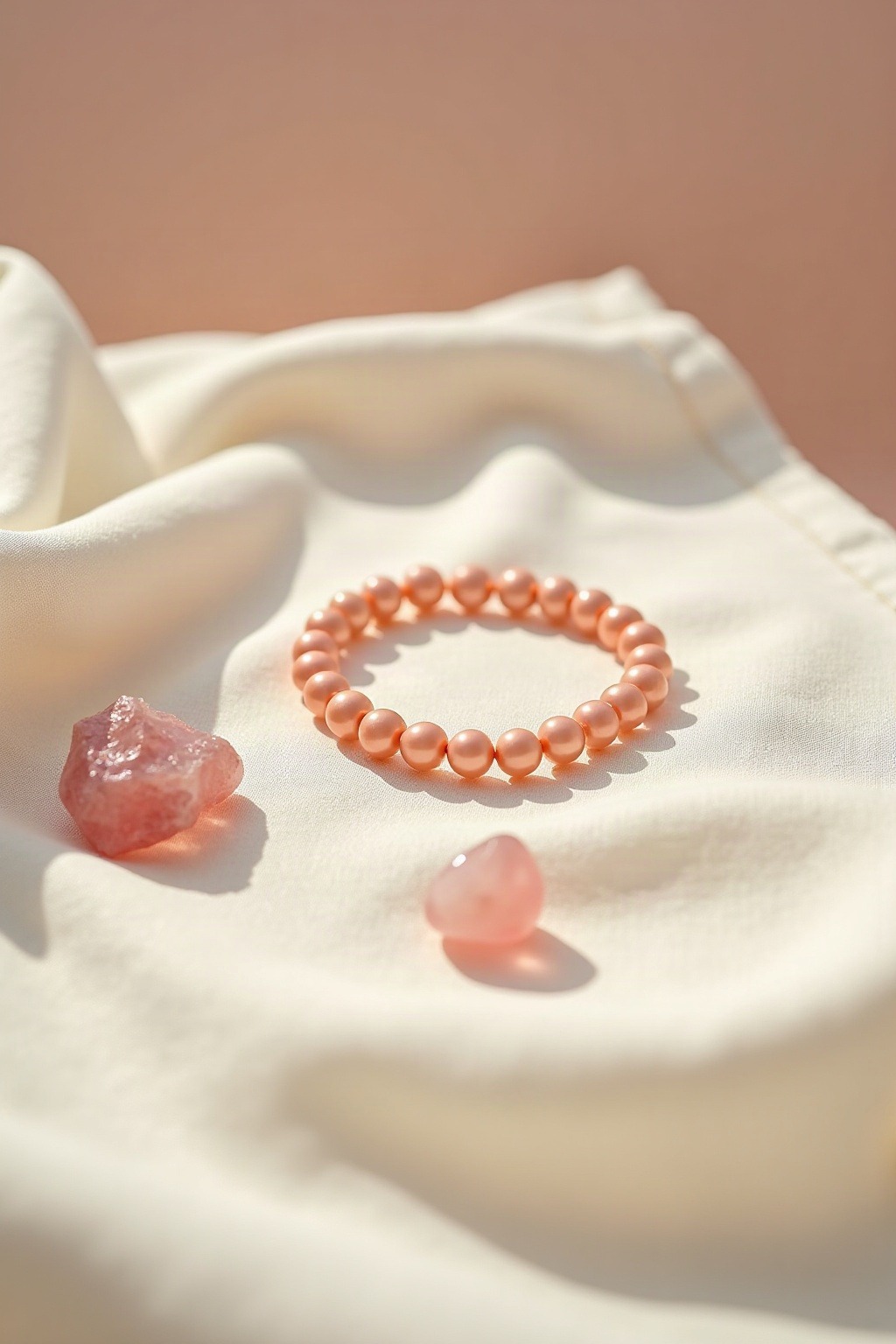
Rose quartz is the variety Turkish shops stock most deeply, and it has the widest spread of any: raw masses start at 50 lira (about a dollar) while handmade silver sets pass 8,800 lira ($181).
| Rose quartz item | Lira | USD |
|---|---|---|
| Raw mass, small | 50 – 180 TL | $1 – 3.50 |
| Raw mass, large | 525 TL | ~$11 |
| Bracelet, thin adjustable | 85 TL | ~$1.75 |
| Bracelet, 8 mm strand | 195 TL | ~$4 |
| Bracelet, designer / with amethyst | 285 – 525 TL | $6 – 11 |
| Pendant, freeform or heart | 100 – 135 TL | $2 – 3 |
| Pendant, teardrop | 220 TL | ~$4.50 |
| Pendulum | 240 TL | ~$5 |
| Chip strand | 215 TL | ~$4.50 |
| Prayer beads (tespih), 8 mm | 245 TL | ~$5 |
| Gua sha tool | 225 – 700 TL | $4.50 – 14 |
| 925 silver filigree pendant / earrings | 983 – 1,770 TL | $20 – 36 |
| Handmade silver set | 4,196 – 8,838 TL | $86 – 181 |
One Turkish speciality worth knowing about: tespih, the 33-bead prayer strand. Quartz tespih is a normal shop item here at around 245 lira, and it is genuinely hard to find at that price outside Turkey and the Gulf. If you want one thing that is both characteristically Turkish and cheap, this is it.
Smoky and Clear Quartz
Smoky quartz sees calmer demand than rose and has a correspondingly narrow band: 90 to 675 lira ($2 to $14) across finished pieces. It turns up more often in men’s jewellery and in tespih than rose quartz does.
Clear quartz — rock crystal — is the most imitated variety, because glass copies it convincingly. Finished pieces run 100 to 710 lira, but certified 8 mm strands jump to 792 – 880 lira. That jump is the certificate, not the stone.
| Variety | Raw / small piece | Finished pieces |
|---|---|---|
| Clear (rock crystal) | 23 – 51 TL ($0.50 – 1) | 100 – 710 TL ($2 – 14.50); certified 8 mm 792 – 880 TL ($16 – 18) |
| Rose | 50 – 180 TL ($1 – 3.50) | 85 – 700 TL ($1.75 – 14); silver work $20 and up |
| Smoky | Rarely priced separately | 90 – 675 TL ($2 – 14) |
The “Quartz” Name Trap
The word covers natural stone, glass, acrylic and lab-grown material alike, and the price gap between them can be sixfold or more. A 30-lira “quartz pendant” is almost certainly dyed glass; a comparable piece of selected natural stone costs 170 to 280 lira.
Natural quartz is harder than glass — Mohs 7 against roughly 5.5 — and holds its coolness in the hand longer. It also carries inclusions and internal fractures; glass imitations tend to look flawlessly uniform. Neither test is conclusive, so ask the seller for a certificate or sourcing information when it matters.
Separately: the “quartz” on a watch dial is a different thing again. There is real quartz inside, but it is a lab-grown crystal acting as the timing oscillator, not a gemstone.
Four Questions to Ask a Turkish Seller
- By the piece or by weight? Sellers use different units. Convert everything to a per-gram figure before comparing.
- What are the dimensions? “Quartz stone” describes a two-centimetre chip and a ten-centimetre mass equally. Get millimetres before you compare prices.
- Which metal? Steel, brass plating and 925 silver put wildly different prices on the same stone.
- Is there a certificate on paper? For rose and clear quartz especially, a document in hand is what explains a higher price. “Certified” on a label is not the same thing.
One practical note on bargaining: fixed-price shops and online retailers in Turkey generally do not negotiate, whatever you may have read about haggling. Tourist-facing bazaar stalls are a different matter, and their opening prices reflect that.
For the full range of quartz jewellery and accessory types — pendants, bracelets, rings, earrings, prayer beads and more — see Quartz Jewellery and Accessories.
Frequently Asked Questions
Is quartz cheaper in Turkey?
For simple pieces, substantially. An 8 mm bead bracelet is about $4 here against $18 to $34 in UK and US crystal shops, and tumbled stones and raw specimens show a similar gap. For certified and hallmarked silver work the difference largely disappears, because the stone is imported and the certification costs the same everywhere.
How much is a kilo of quartz in Turkey?
Wholesalers quote 250 to 300 lira ($5 to $6) per kilogram for rough, mixed-size material. Retail shops sell by the piece instead — 23 to 51 lira for a small raw piece, 170 to 280 for a selected one — so a per-kilo comparison only makes sense if you are buying in bulk.
Where do you buy quartz in Turkey?
Dedicated natural-stone shops and their online storefronts carry the widest range at fixed prices. Tourist bazaars stock quartz too, but prices open higher and the proportion of glass and dyed material is greater. The prices on this page come from fixed-price retailers, not bazaar stalls.
Is quartz mined in Turkey?
Industrially, yes, and on a serious scale: the USGS ranks Turkey fourth in the world for industrial sand and gravel, and producers such as Kaltun Maden mine quartz alongside feldspar. But that is silica sand for glass, ceramics and foundries — not gem-grade material. The rose and smoky quartz in Turkish jewellery shops is imported, which is why exchange-rate movements feed straight through to shop-window prices.
Price note: lira figures were collected from Turkish natural-stone retailers on 20 September 2026 and converted at approximately 48.8 TRY to the US dollar, the rate quoted on 18 September 2026. Natural-stone prices move with stock, size, quality and the exchange rate; confirm current prices with the seller before buying.